
Green Cleaning Products That Actually Work
Green cleaning is not weaker cleaning. Learn which plant-based and simple products truly perform, where they belong, and where they fall short.
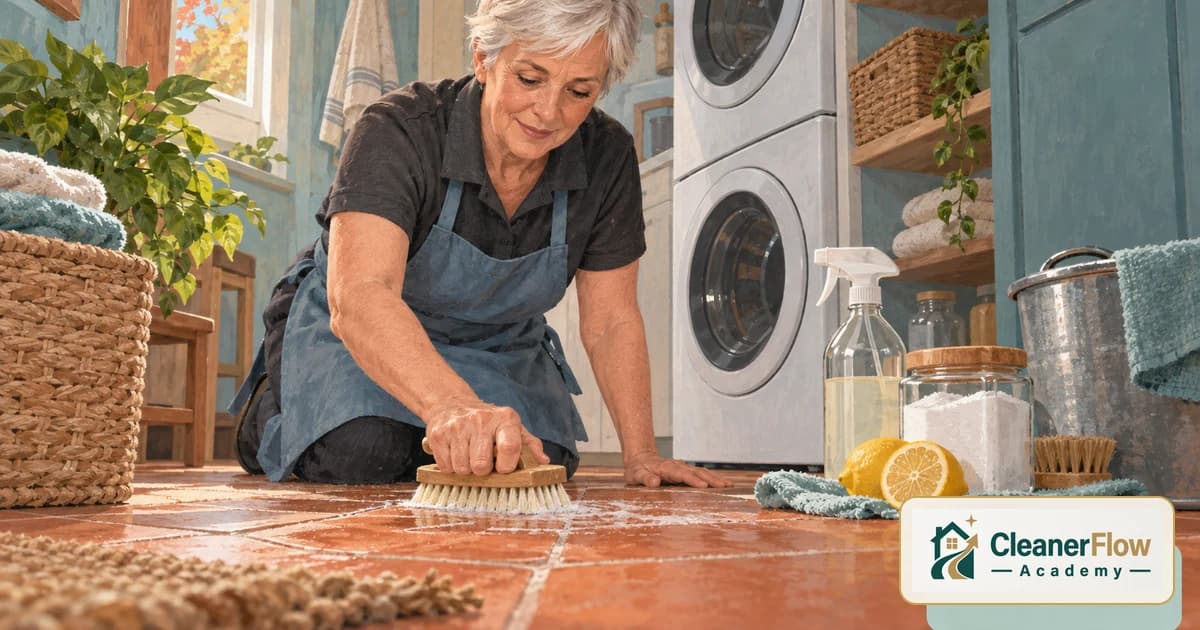
Green does not mean weak
There is a stubborn myth that green cleaning products cannot handle real dirt. That belief usually comes from someone who tried a single natural product on the wrong job and gave up. The truth is that many plant based and simple household ingredients clean extremely well when you use the right one for the right surface and give it the time it needs. A professional who understands this can offer clients a healthier home without sacrificing results, and that is a genuine selling point in homes with children, pets, or anyone sensitive to strong chemicals.
The key is knowing what each product actually does, because green cleaning is not one product that does everything. It is a small set of reliable tools, each suited to a specific type of mess. Once you understand the strengths of each one, you can match it to the job with confidence instead of hoping a single spray will solve every problem.
The workhorses that earn their place
A few simple products handle the large majority of everyday cleaning, and they cost very little.
Distilled white vinegar cuts through mineral deposits, soap scum, and hard water spots. Diluted with water, it shines glass, removes the cloudy film on faucets, and dissolves the chalky buildup around a showerhead. It works because it is mildly acidic, which is exactly what mineral scale needs.
Baking soda is a gentle abrasive and a deodorizer. Sprinkled on a damp sponge it scrubs a sink, a stovetop, or a tub without scratching, and it lifts grease that a liquid alone would smear. Left in a fridge or a trash can, it absorbs odors rather than masking them.
A plant based liquid dish soap or castile soap is a true all purpose cleaner. A few drops in a spray bottle of warm water handles counters, cabinet fronts, painted walls, and general grime. Soap works by surrounding grease and dirt so water can carry it away, and a good plant based soap does this just as well as a synthetic one.
Hydrogen peroxide, the ordinary three percent kind, brightens surfaces and helps with stains. In a spray bottle kept away from light, it is useful on grout, cutting boards, and tile.
Where each one belongs
Matching product to surface is what turns these simple ingredients into professional results.
Use vinegar solution on glass, chrome fixtures, and hard water buildup. Wipe it on, let it sit a moment on stubborn mineral spots, and buff dry with a clean microfiber cloth for a streak free finish.
Use baking soda paste, made by mixing it with a little water, on baked on grime, the inside of an oven, a stained sink, or a grimy tub. Let the paste sit for several minutes so it can loosen the mess, then scrub and rinse.
Use plant based soap and warm water as your default for the widest range of surfaces: kitchen counters that are not being disinfected, tables, chairs, cabinet doors, baseboards, and painted trim. This is the mixture you will reach for most.
Use hydrogen peroxide where you want gentle brightening, such as tile grout or a plastic cutting board, letting it sit before you wipe.
Real jobs, solved with simple products
It helps to see how these tools handle the tasks that come up in almost every home.
A showerhead crusted with white mineral buildup does not need a harsh chemical. Warm vinegar solution dissolves the scale; on a heavy buildup, soak the fixture or wrap it in a cloth soaked in the solution, wait, then wipe the softened deposits away.
A greasy stovetop responds to baking soda. Sprinkle it over the grease, add a little warm water to make a paste, let it sit a few minutes to loosen the grime, then scrub with a damp cloth and rinse. The grease lifts instead of smearing.
A refrigerator that has picked up food smells does not need perfume to cover them. Wipe the inside with a mild soap solution, dry it, and leave an open box of baking soda inside to keep absorbing odors.
Grimy grout between tiles brightens with a paste of baking soda and a little water, worked in with a brush, then rinsed. For extra brightening on light grout, hydrogen peroxide left to sit before scrubbing helps.
Soap scum on glass shower doors softens with vinegar solution; give it a minute to work on the film, then wipe and buff dry. These are the everyday wins that show a client green cleaning genuinely performs.
The rules that keep green cleaning safe
Natural does not automatically mean harmless, and two rules matter above all.
Never mix vinegar with bleach or with any product that contains bleach. The combination releases a toxic gas. Green cleaning and chlorine bleach do not belong in the same routine, and if a client uses bleach products, keep your vinegar solution far away from them.
Do not use vinegar or any acid on natural stone. Granite, marble, and other natural stone surfaces are damaged by acids, which etch and dull the finish permanently. On stone, use only a pH neutral cleaner, which a mild plant based soap solution provides. This single mistake ruins expensive countertops, so it is worth committing to memory.
Also avoid using baking soda on soft surfaces such as delicate finishes or glossy coatings where the abrasive can leave fine scratches. Test any abrasive on an out of sight spot first, and when a manufacturer gives cleaning instructions for a surface, follow them over any home remedy.
Where green products fall short
Honesty builds trust, and a professional should know the limits. Simple green ingredients clean very well, but cleaning is not the same as disinfecting. Vinegar and baking soda remove dirt and reduce germs, but they are not registered disinfectants and should not be relied on to kill dangerous germs after raw meat preparation or in a home where someone is ill.
This matters because a client who believes vinegar disinfects may skip real protection at exactly the moment it counts, such as after handling raw chicken or when a family member has a stomach bug. Being clear about this is not admitting weakness; it is showing you understand how each tool works.
For situations that genuinely require disinfecting, there are certified products with plant based active ingredients, such as those based on thymol from thyme oil, or on hydrogen peroxide formulations, that are registered as disinfectants and still fit a green approach. When a client needs true disinfection, reach for one of those and follow its contact time, which means keeping the surface wet for the minutes the label specifies, rather than pretending vinegar will do the job. Knowing this distinction is what makes your green cleaning credible rather than a gimmick.
Microfiber does half the work
Green cleaning is not only about what is in the bottle. A good microfiber cloth removes a large share of dirt and germs by physical action alone, before any product is involved. The fine fibers grab and hold particles instead of pushing them around, which means you need less product to get a surface truly clean.
Keep separate cloths for separate areas so you do not carry grime from the bathroom into the kitchen, and rinse or swap cloths as they load up with dirt. Launder them in hot water without fabric softener, which can coat the fibers and reduce their grip. A stack of clean microfiber cloths paired with a few simple solutions is a genuinely professional kit.
Making your own solutions the right way
Mixing your own green cleaners is economical, but do it carefully. Label every bottle clearly with what is inside, because an unlabeled spray bottle is a safety hazard for you and for the family. Mix small batches, since some homemade solutions lose strength over time, and a fresh batch always performs better than one that has sat for weeks.
Use the right dilution. More vinegar or more soap is not more cleaning power; it just leaves residue that attracts dirt faster. A light hand with soap and a proper rinse leaves surfaces cleaner and keeps them clean longer. For most all purpose work, a small squirt of plant based soap in a full bottle of warm water is plenty. If you like a light scent, a drop or two of an essential oil can be added, but treat it as fragrance only, not as a cleaning or disinfecting agent.
Common mistakes with green cleaning
A few habits trip people up and give green cleaning an undeserved bad name.
- Using vinegar on granite, marble, or other natural stone and dulling the finish.
- Mixing vinegar with a bleach product and creating toxic fumes.
- Assuming vinegar disinfects and skipping a registered product when one is truly needed.
- Overusing soap so residue builds up and surfaces attract dirt faster.
- Wiping a product off before it has had time to work on scale, grease, or stains.
- Storing homemade solutions unlabeled or for too long.
Avoiding these keeps your results consistent and your work safe.
Talking to clients about green cleaning
Many clients ask for green cleaning because someone in the home reacts to strong chemical smells, or because they simply prefer a gentler home. You can reassure them that a green approach cleans thoroughly, and you can be honest that certain tasks, like disinfecting after raw meat or during an illness, call for a registered product, which you can choose in a plant based form when possible.
That balanced, informed answer is far more convincing than a promise that vinegar solves everything. It shows the client you understand both the strengths and the limits, which is exactly the kind of judgment that a certification such as CleanerFlow Academy is designed to recognize.
A simple kit that covers most homes
You do not need a cabinet full of products. A spray bottle of vinegar solution, a box of baking soda, a bottle of plant based liquid soap, a bottle of hydrogen peroxide, a pH neutral cleaner for stone, a stack of good microfiber cloths, and one registered plant based disinfectant for the moments that require it will handle the vast majority of what any home needs. That is a complete, healthy, effective kit.
Green cleaning done well is not a compromise. It is a skill: knowing which simple product suits each surface, respecting the two safety rules, letting microfiber do its share, and being honest about where a registered product is needed. Master that, and you can offer a healthier home that is every bit as clean as one scrubbed with harsh chemicals. If you already work this way, a certification from CleanerFlow Academy is a straightforward way to have that skill recognized and shown to clients.
You already clean well. Now you can prove it.
The 7 modules are free. The certificate, with a QR your client checks on the spot, proves what you already know how to do.
Other CleanerFlow apps
Your whole week in one place.
Homes, notes for every client, and who already paid, on your phone — even offline.
Cleaning jobs in your ZIP. See the quality score before you pay.
Every lead goes to 3 cleaners at most, and you get 14 days to dispute a dud.